


- Aus Uji, Japan
- Ceremonial Grade
- Laborgeprüft
- Kein Koffein-Crash


Lieferung , bei Bestellung innerhalb von mit DHL.

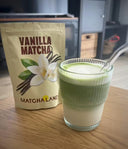
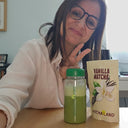
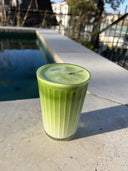
Nutritional Information & Ingredients
Ingredients: 80% Matcha green tea powder, 20% vanilla (vanilla powder, flavoring)
Almost no calories, but a big effect:
One serving of Vanilla Matcha consists of only 2 g and contains less than 7 calories. At the same time, with approx. 48 mg of caffeine, it provides almost as much caffeine as a cup of coffee. Since the entire tea leaf is consumed with matcha, it also contains up to 10× more antioxidants than conventional green tea.
| Nutritional values per | 100 g | Serving (2 g) |
| Calories | 332 kcal (1389 kJ) | 6.64 kcal (27.78 kJ) |
| Fat | 4 g | 0.08 g |
| Carbohydrates | 31 g | 0.62 g |
| of which sugars | 0 g | 0 g |
| Protein | 28 g | 0.56 g |
| Salt | 0 g | 0 g |
| Caffeine | 2400 mg | 48 mg |
| L-Theanine | 1120 mg | 22.4 mg |
| Chlorophyll | 800 mg | 16 mg |
| Catechins / Antioxidants | 28,000 mg | 560 mg |
Origin and quality
Our matcha is grown in Uji (Kyoto), Japan. Since we only offer our matcha in ceremonial grade, only the youngest and greenest green tea leaves from the first harvest are selected. This makes your matcha exceptionally green, not bitter, and rich in antioxidants.
What makes MatchaLand matcha so special is that every harvest is tested for heavy metals, pesticides, and radioactivity. We only accept harvests where all tests come back negative (no detectable residues).
What is ceremonial grade?
Ceremonial grade is the highest quality tier of matcha. It is made from the youngest and greenest green tea leaves and results in a fine, vibrant green powder that tastes creamy and slightly sweet.
Lower grades like "premium" or "culinary," on the other hand, are produced from older leaves, have a darker to yellowish color, taste bitter (sometimes fishy), and leave an unpleasant aftertaste.

Laboratory tests (tested for heavy metals, radioactivity & pesticides)
Test result / laboratory analysis of the latest harvest:


Strawberry Matcha Bundle
Why Matcha has a different effect
What can a serving of matcha do for your mind and body?


COMMUNITY FEEDBACK

 Verified Customer


Verified Customer

Verified Customer

THE MATCHALAND DIFFERENCE
We don't take shortcuts when it comes to matcha. Your health is our top priority.

Japanese origin
Matcha from China may contain dyes + pesticide residues.

Lab-tested
Every harvest is tested in the laboratory for heavy metals and radioactivity.

Ceremony quality
We use the youngest leaves from the first harvest. The matcha is a vibrant green and is not bitter.

Fairly paid farm workers
Our matcha comes from a family-run tea farm with fairly compensated workers.
MATCHA COMPARED
Information is per serving (2g for matcha)

Our Matcha |

CHEAPER matcha |
|
|---|---|---|
| Origin |
Uji, Japan
Transparent origin
|
Cinchona or
Radioactive areas in Japan
|
| Color |
Vibrant green
Fresh color due to early harvest
|
Yellowish
Oxidized or older harvest
|
| Taste |
Mild, umami
Pleasant, not bitter
|
Bitter
Can taste bitter or fishy
|
| Antioxidants (Catechins) |
700 mg
High EGCG content
|
200–350 mg
Significantly lower catechin content
|
| Caffeine |
60 mg
|
30–40 mg
Reduced effect
|
| L-Theanine (Focus) |
20–40 mg
Calm focus
|
5–10 mg
Hardly any focus effect
|
| Tested for heavy metals |
No detectable traces
|
Often heavily contaminated
|
| Tested for radioactivity |
No detectable traces
|
Often heavily contaminated
|
Our Matcha |

Coffee |
|
|---|---|---|
| Caffeine |
60 mg
Slow release
|
95 mg
Fast acting
|
| Energy duration |
approx. 5-7 hrs.
|
approx. 3-4 hrs.
|
| Caffeine release |
Slow
Constant energy
|
Fast
Energy kick then crash
|
| Antioxidants |
700 mg
Catechins
|
100-200 mg
Chlorogenic acid
|
| Acidity (pH value) |
Neutral
pH 7-9
|
High
pH 4.5-5
|
| Digestion |
Gentle on the stomach with prebiotics
|
Can irritate the stomach
|
| Side effects |
like green tea
|
Nervousness, racing heart, stress response
|
| Effect on sleep |
Very tolerable
|
Difficulty falling asleep
|
| Price per serving |
from the 1st
1-2 cups / day
|
0.30-0.50
3-4 cups / day
|
Our Matcha |

Green tea in bags |
|
|---|---|---|
| Caffeine |
60 mg
More caffeine from whole tea leaf
|
20–30 mg
Less caffeine via infusion
|
| Duration of energy |
5–7 hrs
|
2–3 hrs.
|
| Antioxidants (catechins) |
500–700mg
|
100–150 mg
|
| L-theanine (focus) |
20–40 mg
Calm focus
|
5–10 mg
Low focus effect
|
| Whole tea leaf |
Whole leaf is consumed
|
Infusion only
|
| Nutrient absorption |
High
No losses from infusion
|
Low
Most remains in the bag
|
| Microplastics |
1-2 a day
|
Many bags release microplastics
|
Our Matcha |

Energy drinks |
|
|---|---|---|
| Source of caffeine |
Naturally
Caffeine from tea leaves
|
Synthetic
Caffeine anhydrous
|
| Caffeine |
60 mg
Perfect amount
|
80–160 mg
High dose
|
| Sugar |
0 g
No sugar
|
25–50 g
High sugar content
|
| Antioxidants (catechins) |
700 mg
High EGCG content
|
0 mg
No catechins
|
| Free from additives |
No artificial additives
|
Colorings, flavorings, acidifiers
|
| Energy profile |
Sustained
No sudden peak
|
Short-term
Quick peak, then crash
|
| Tolerance |
Calm focus
|
Can cause restlessness
|
| Purpose |
Constant energy all day
|
Short energy bursts
|
| Price per serving |
from 1.-
|
1.50-2.50
|

PREPARATION
Here is how we make our matcha latte - without any need for a bamboo whisk or bowl:


MMM MATCHA 😍
RECIPE INSPIRATION

STRAWBERRY MATCHA LATTE

SEBASTYAN'S PREPARATION

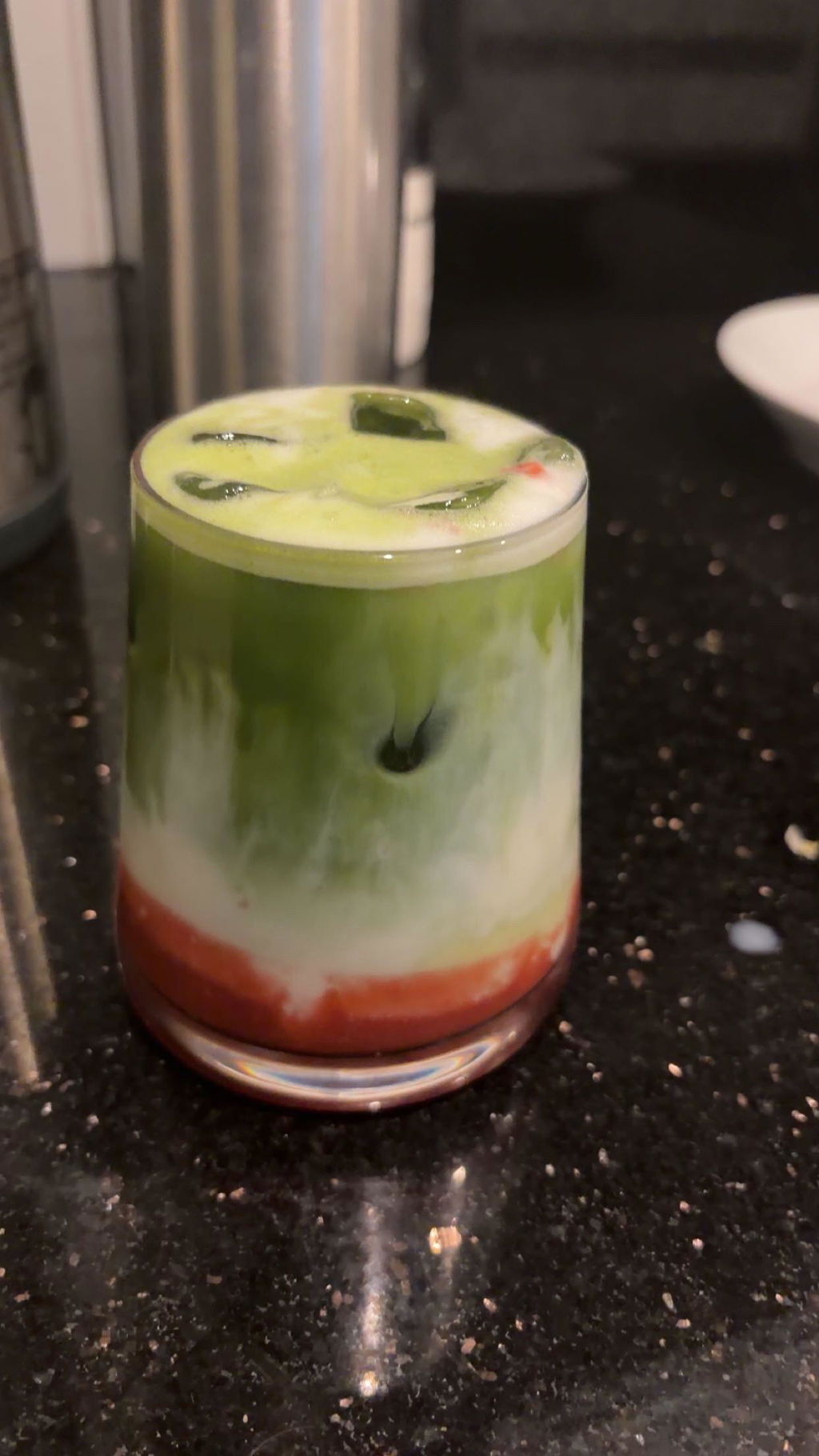
MATCHA LATTE WITH STRAWBERRY FOAM


🎓 Matcha University
LEARN MORE ABOUT MATCHA

WHAT IS CEREMONY QUALITY?

HEAVY METALS & RADIOACTIVITY


WE HAVE ANSWERS!
Is your question not listed? Then click on the button and write to us!
What does matcha taste like?
Matcha has a creamy and slightly earthy taste, with less bitterness than classic green tea and a delicate umami flavor. Many describe it as smooth, tart, and slightly nutty.
Since many of our customers had never tried matcha before MatchaLand, we offer a 30-day money-back guarantee. If you don't like it, you can simply send it back and receive a refund.
Is it safe to consume matcha during pregnancy?
As a general rule, excessive caffeine consumption is not recommended during pregnancy.
The World Health Organization (WHO) recommends limiting daily caffeine intake to a maximum of 300 mg during pregnancy.
One cup of matcha (approx. 2 g) contains around 60 mg of caffeine.
However, we are not doctors and recommend that you consult with your physician before consuming matcha during pregnancy.
How much matcha can I drink per day?
That is for you and your body to decide. The same limits you would set for yourself with coffee also apply to matcha.
One serving of matcha (approx. 2 g) contains around 60 mg of caffeine. We ourselves sometimes drink up to 3 servings per day – this corresponds to about 180 mg of caffeine and is in the range of several cups of coffee or around 3 small energy drinks.
It is important to listen to your personal well-being and adjust your consumption accordingly.
How quickly will I receive my order?
We ship your matcha order directly from our warehouse in Germany via DHL. It takes 1-2 business days for your order to reach you.
What payment methods are accepted?
- Credit card (Visa, Mastercard, American Express)
- PayPal
- Klarna
- Purchase on account (Klarna)
- Bank transfer (via Klarna)
Sehr lecker!
Toll
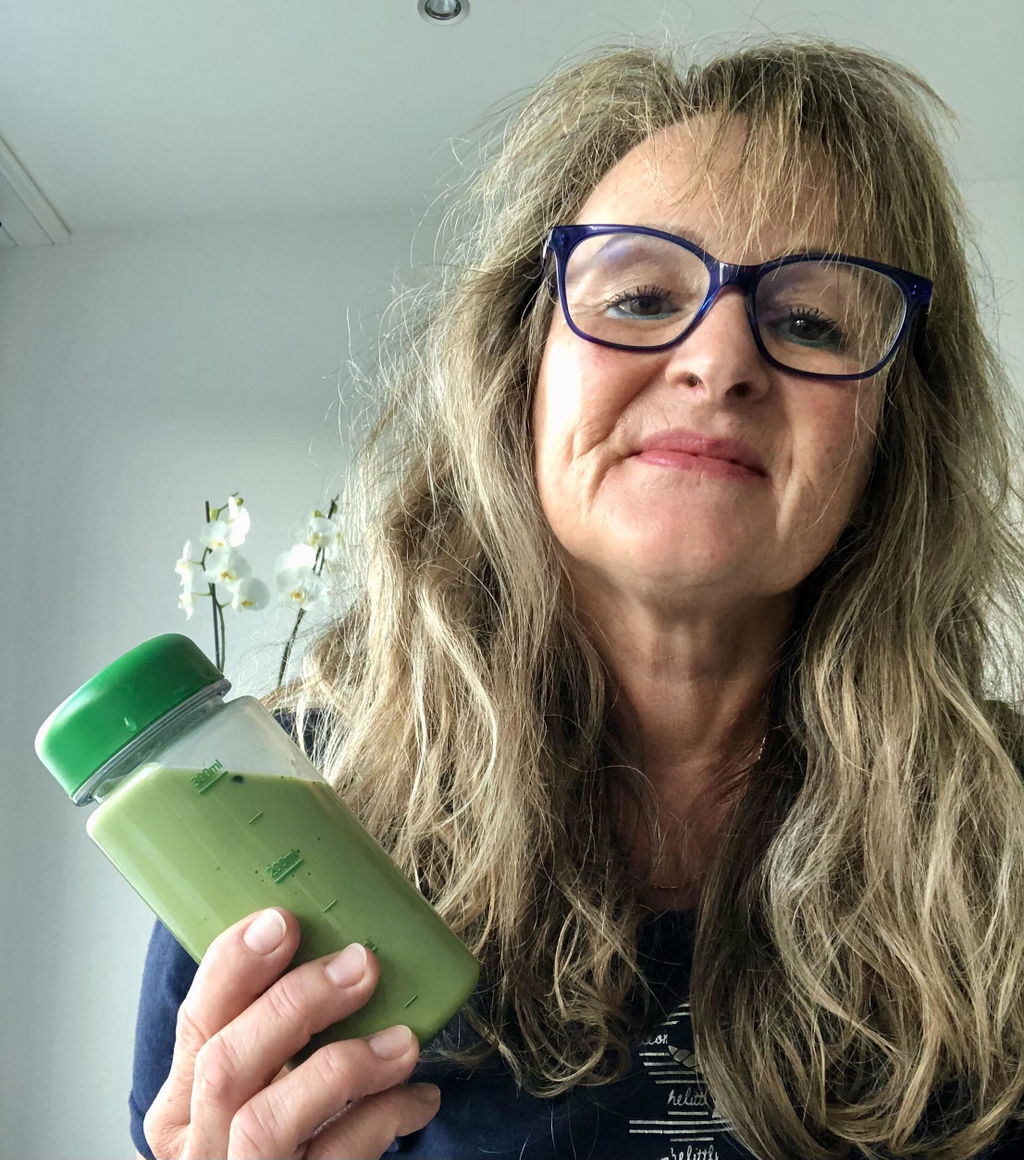
Ich habe mir bisher in meiner Mittagspause immer einen Matcha gekauft. Auf Dauer geht das allerdings ganz schön ins Geld, weshalb ich mich nach einer Alternative umgeschaut habe.
Bisher habe ich eher die günstigeren Matchas aus den bekannten Drogeriemärkten probiert. Auch einen Matcha von einer bekannten Teekette hatte ich getestet, geschmacklich hat mich aber irgendwie keiner so richtig überzeugt (teilweise echt scheußlich)
Dann wurde mir eure Werbung gefühlt hundertmal bei Instagram angezeigt und irgendwann habe ich mich tatsächlich breitschlagen lassen und das Starterset bestellt. 😄
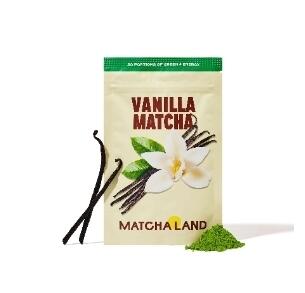
Und was soll ich sagen? Ich bin wirklich begeistert! Vorallem der Matcha mit Vanille schmeckt super lecker.
Ich habe euch schon weiterempfohlen 😊
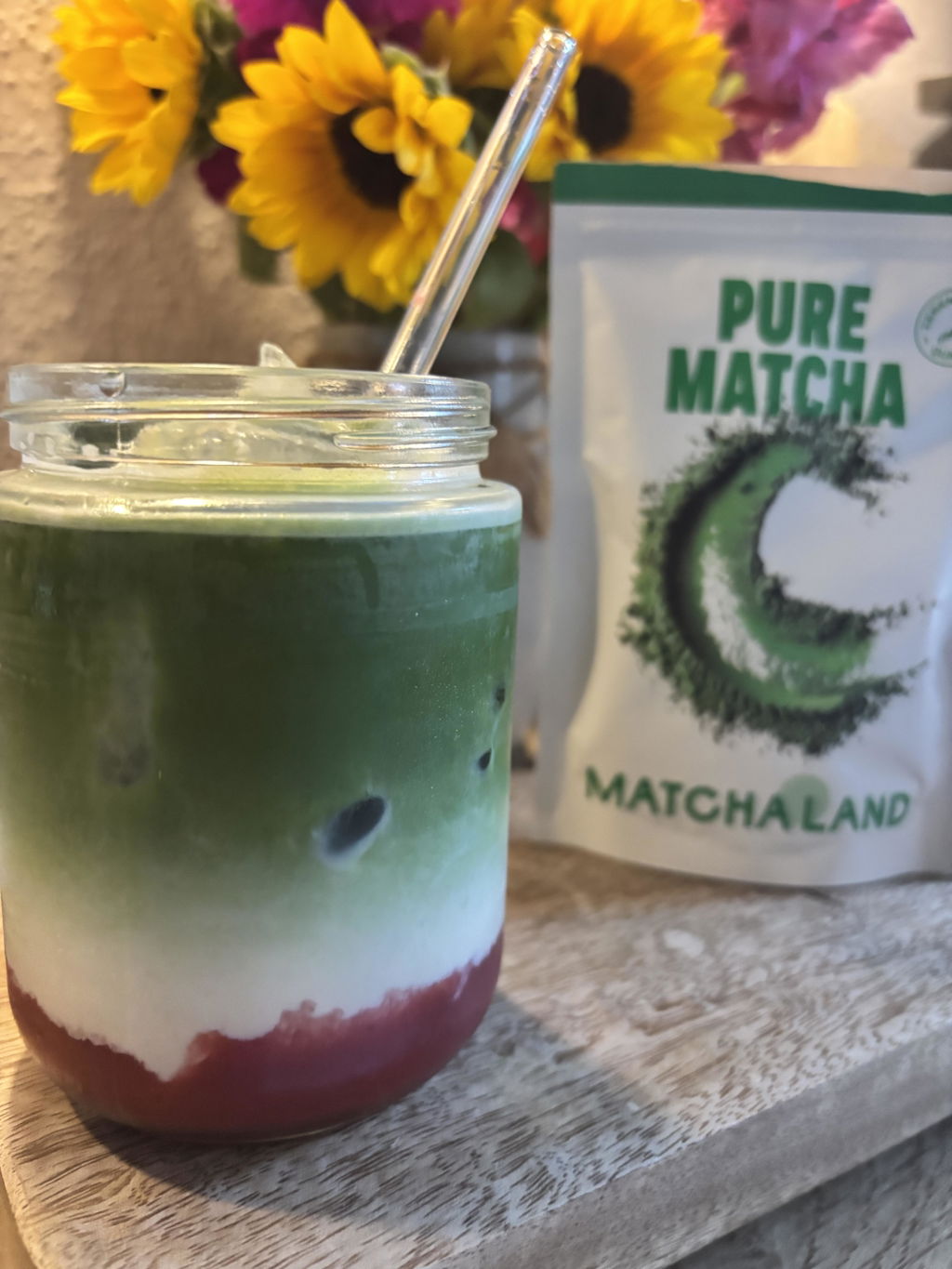
Großartig!
Der Geschmack ist super und total bekömmlich.
Ich trinke es am liebsten in Kombination mit dem Strawberry Püree. Einfach lecker!
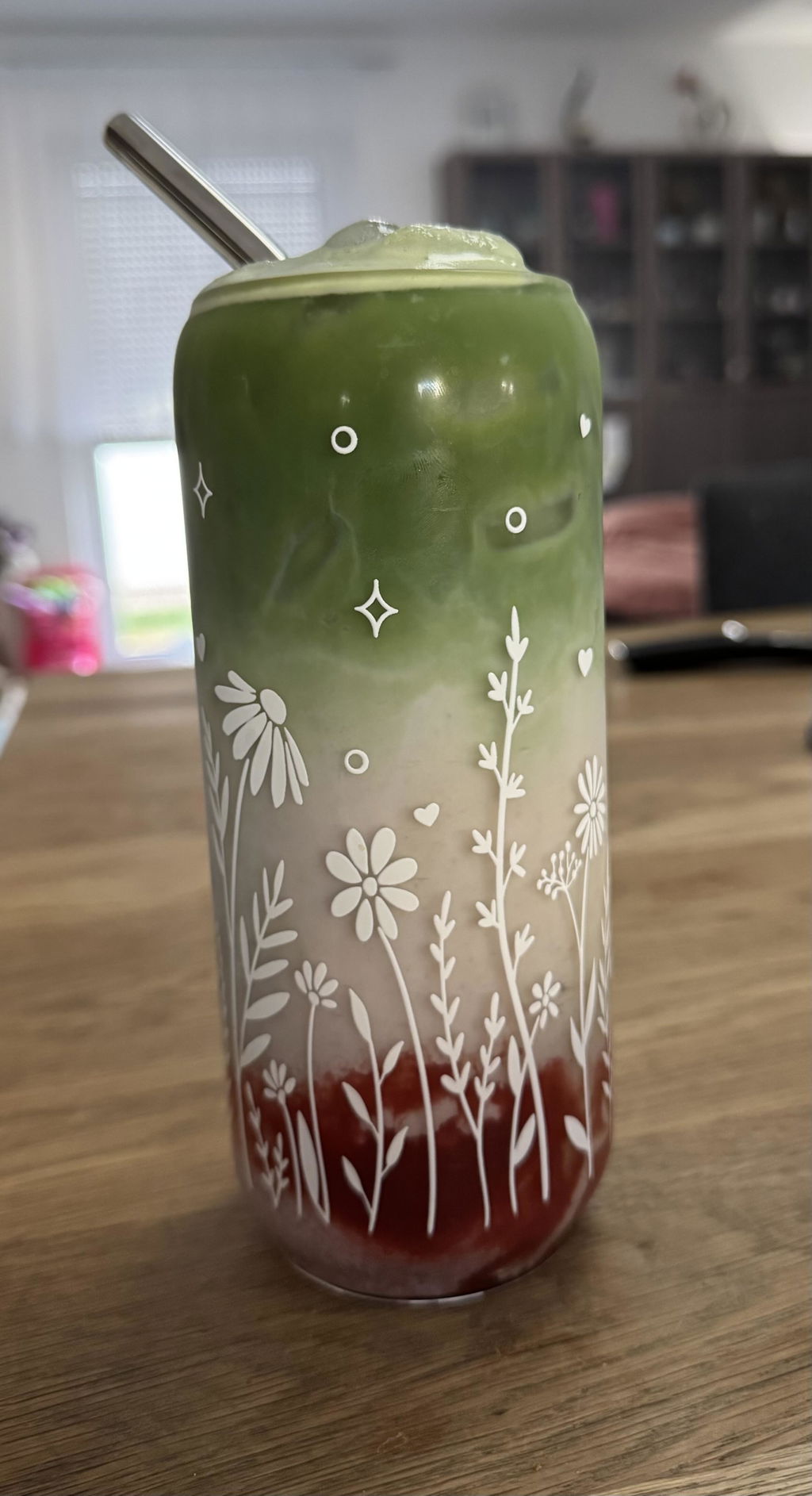
sehr gut😍
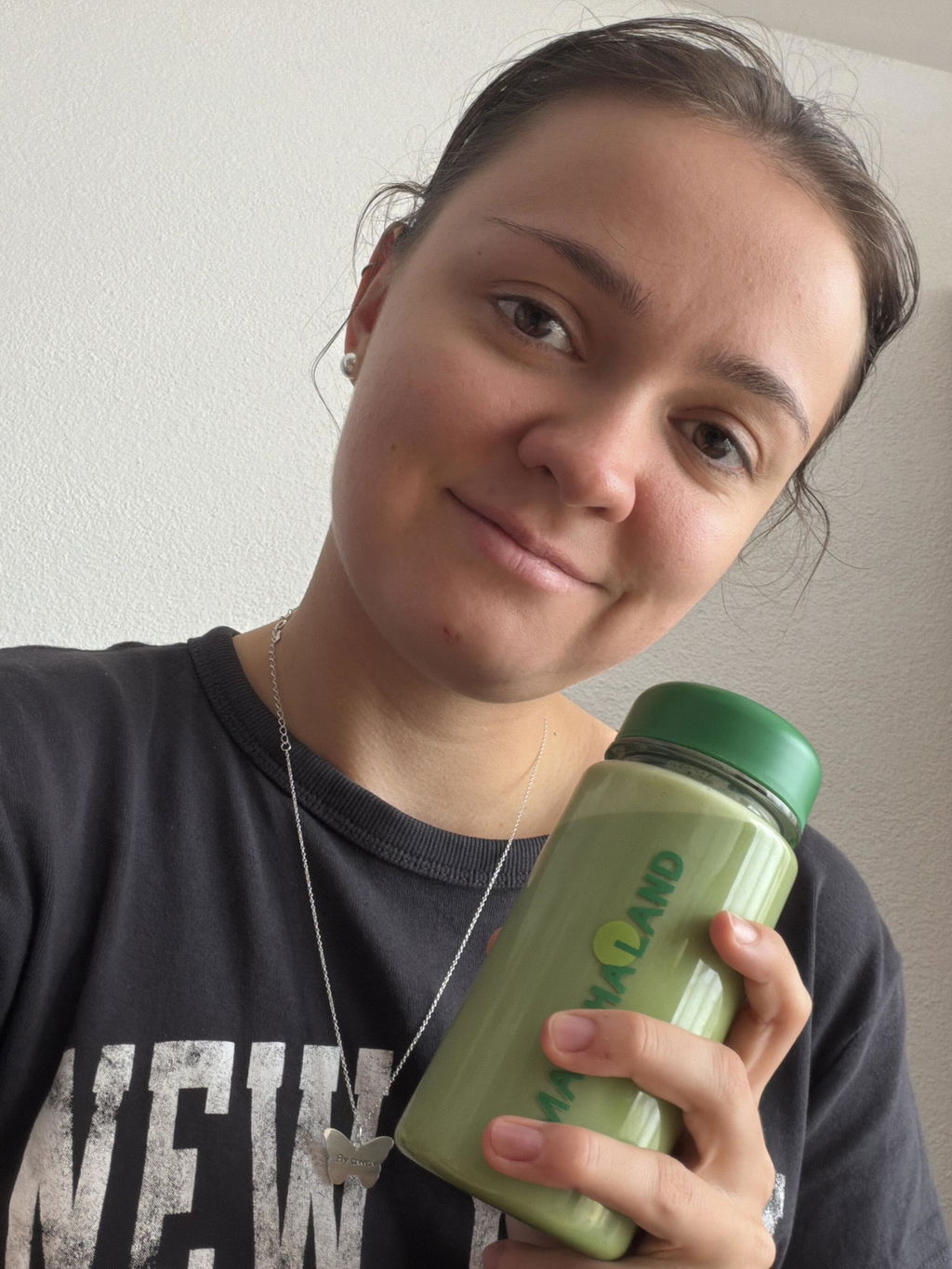
Der Matcha ist mega lecker, ich liebe ihn😊
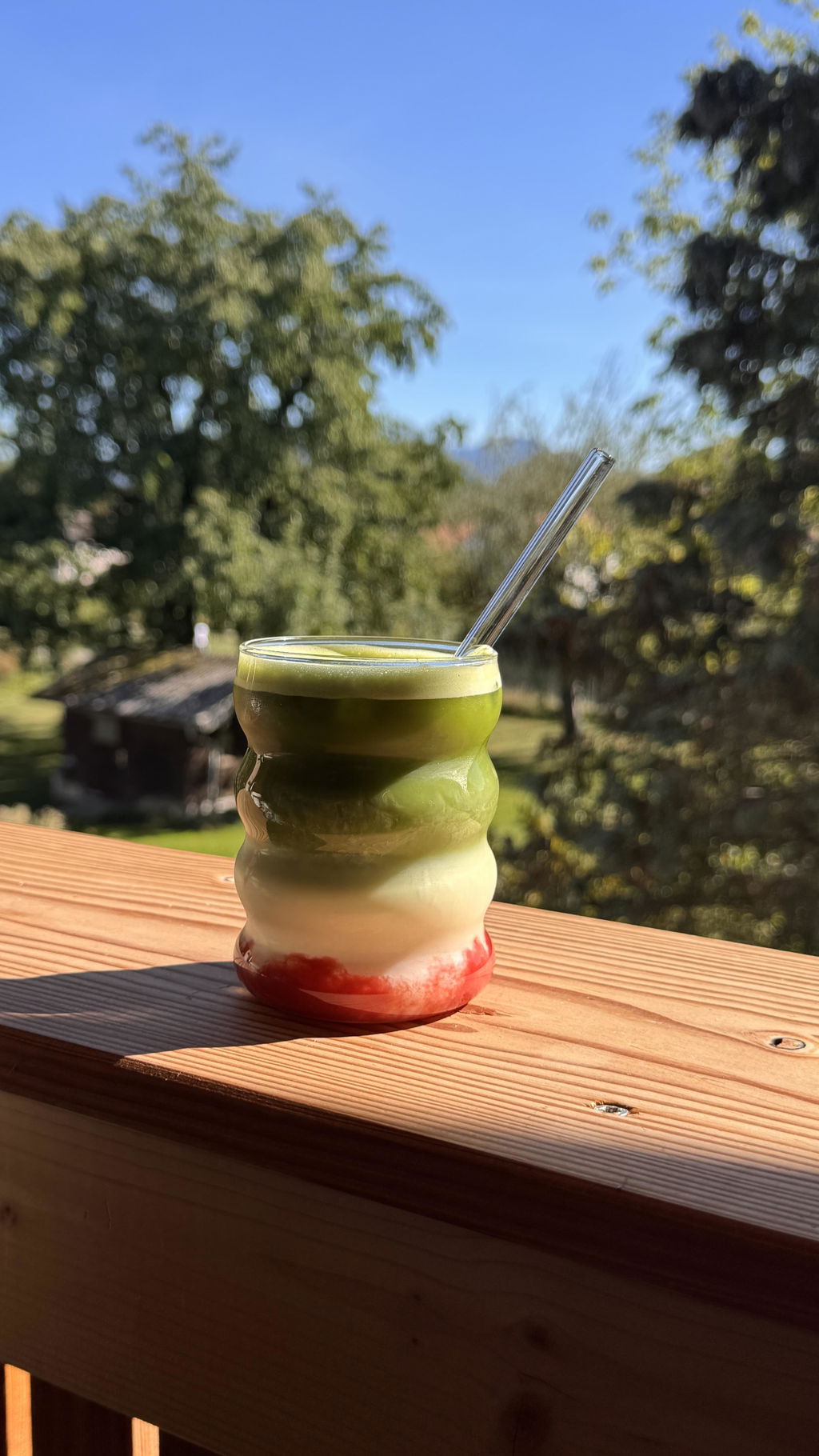
I only drink Matcha from Matchaland ! Best ever 😍
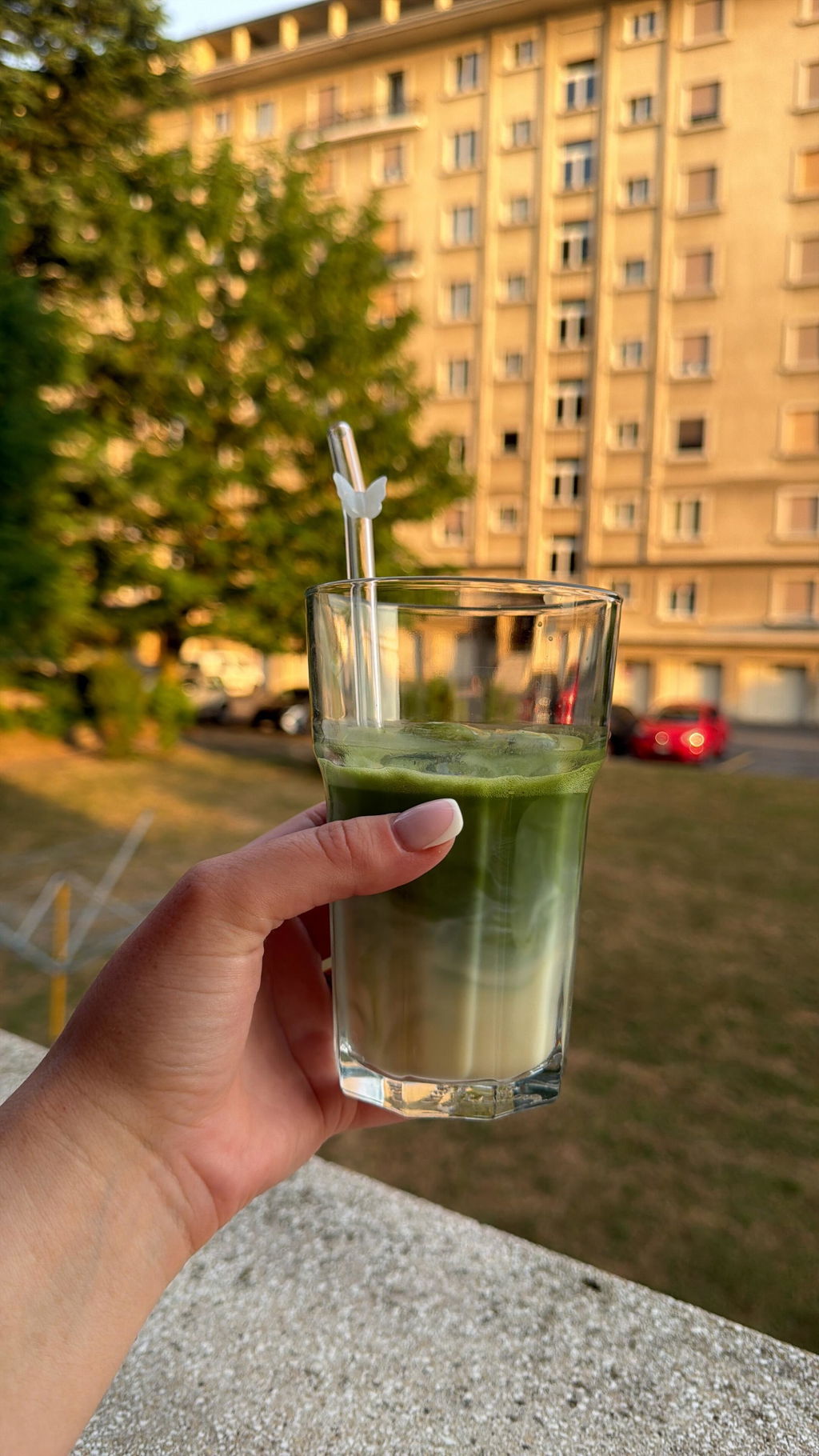
Supper!
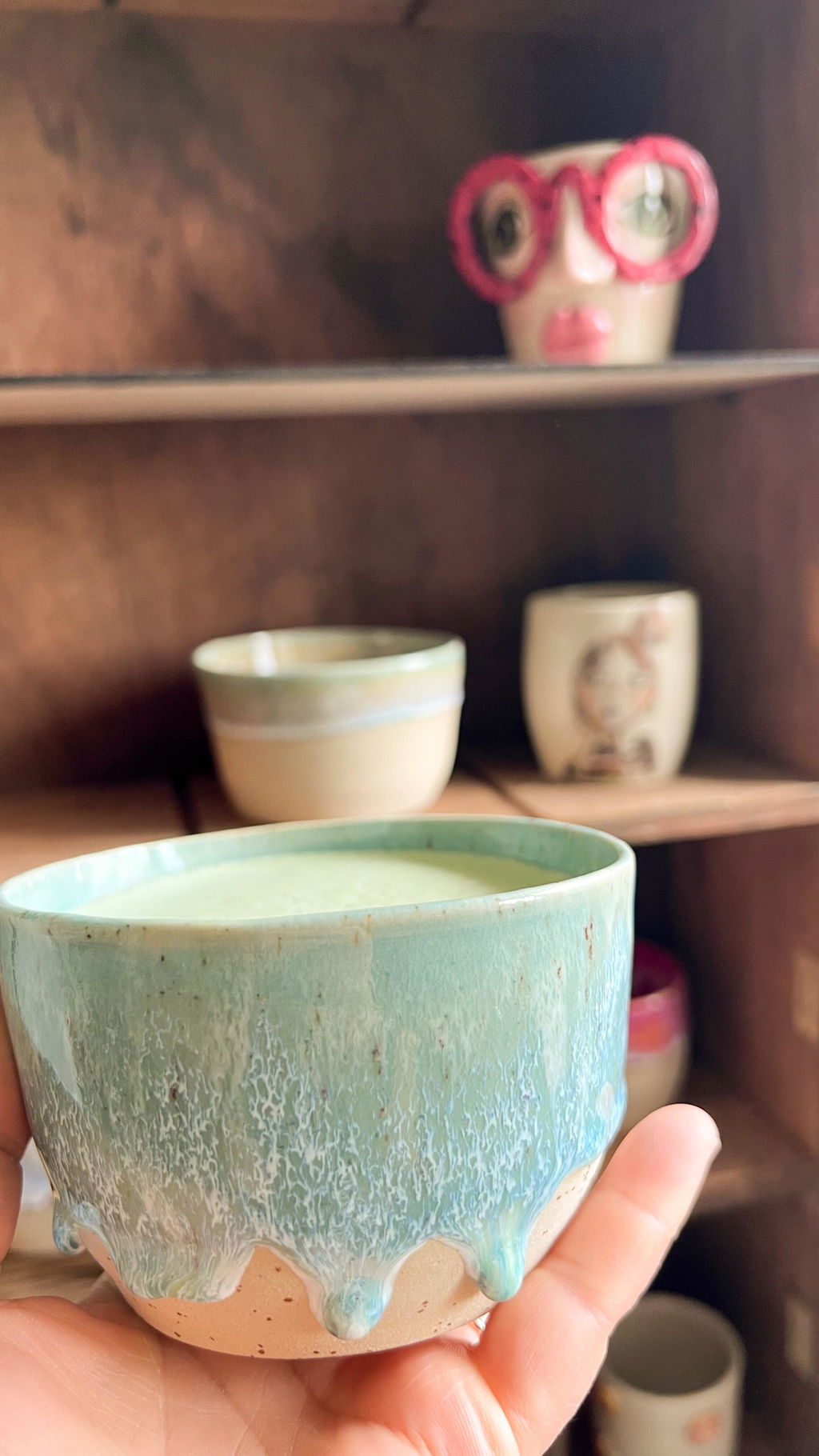
Exzellent!
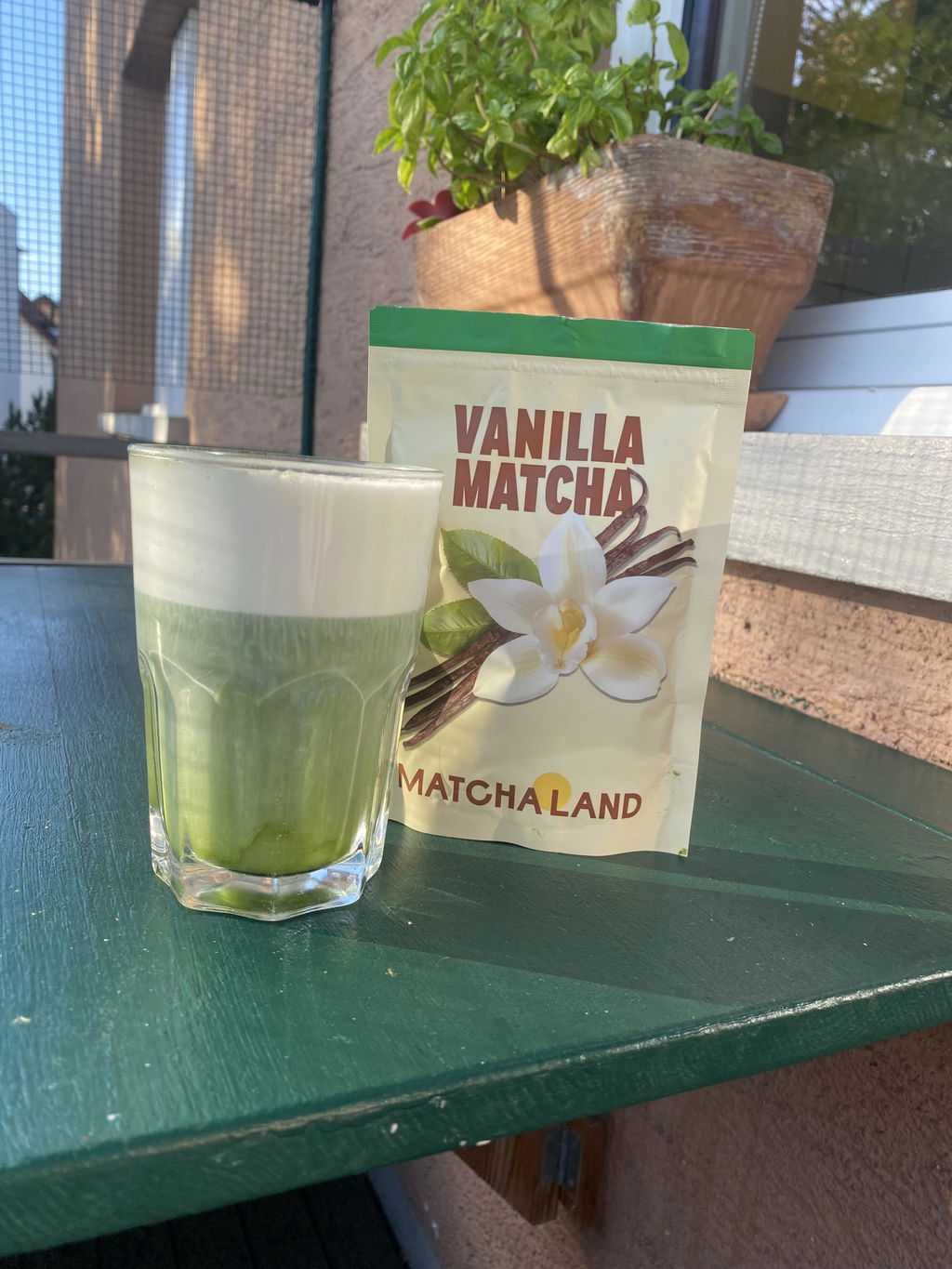
Sehr gut
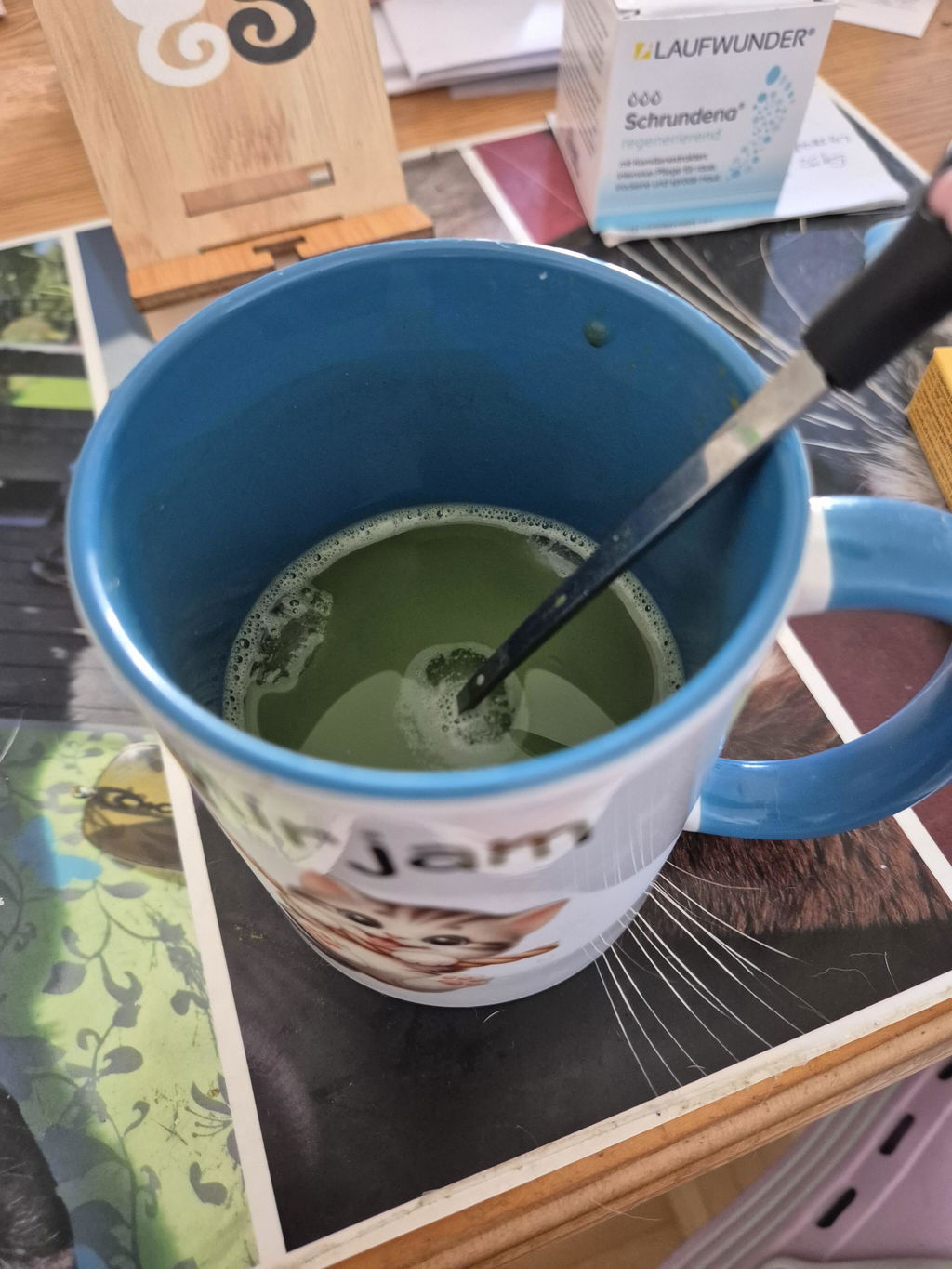
J’aime beaucoup, le matcha est de qualité et l’arôme vanille est top, pas trop sucré . J’ai particulièrement apprécié le pack découverte avec d’autres arômes, très belle attention!
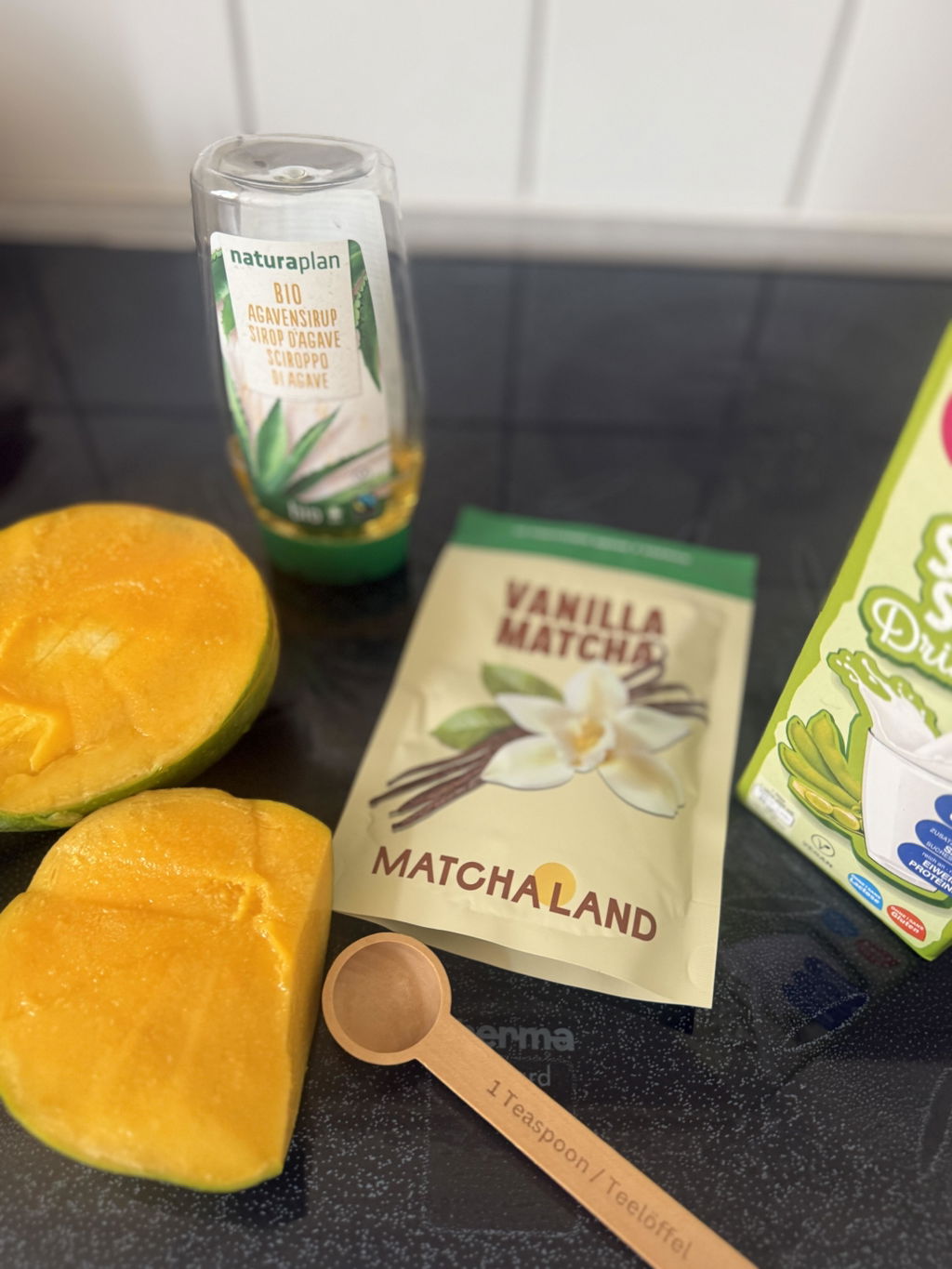
Mein absoluter Favorit!!!!!!
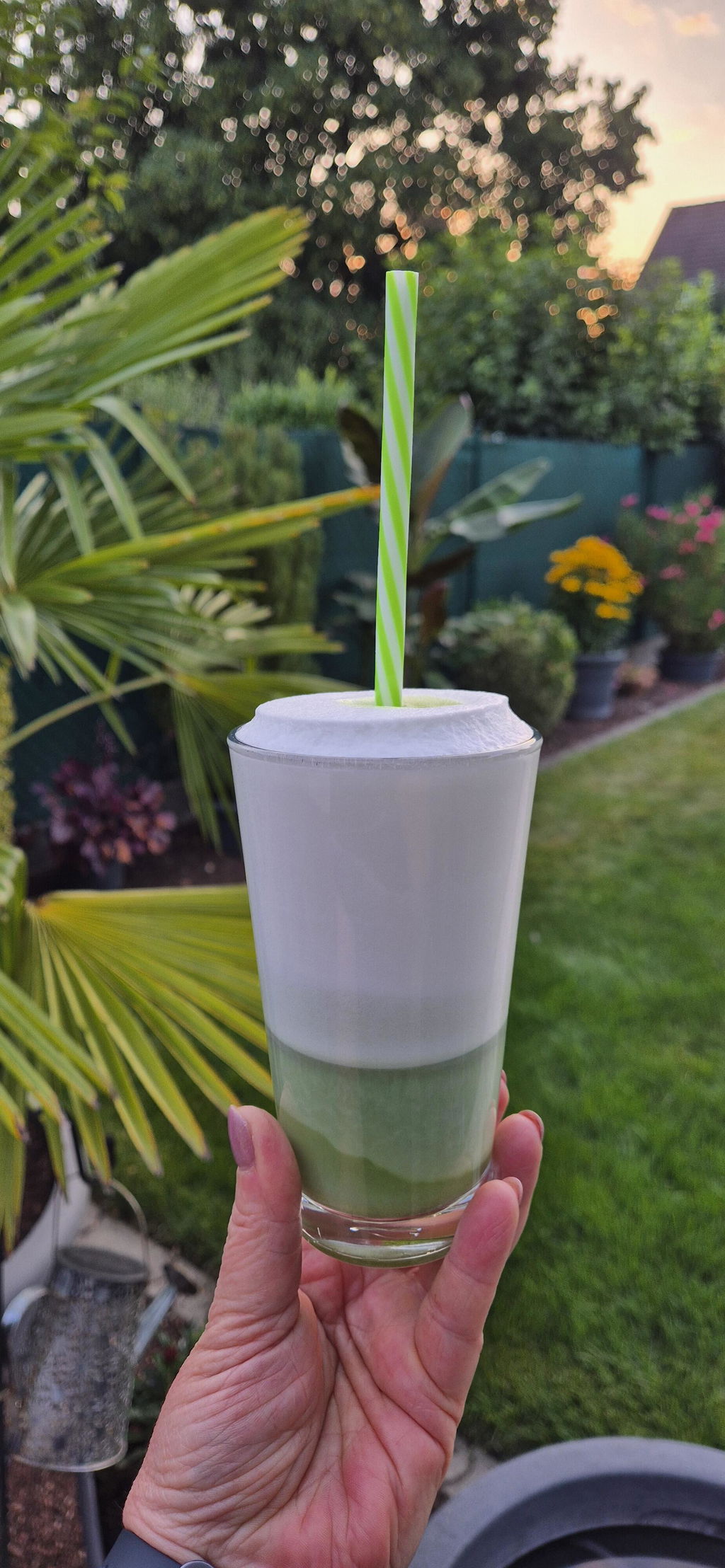
Der Vanille-Matcha schmeckt gut, es dürfte für mich noch etwas mehr Vanille-Geschmack haben. Aber insgesamt sehr lecker, lässt sich auch mit anderen Gewürzen noch verfeinern.
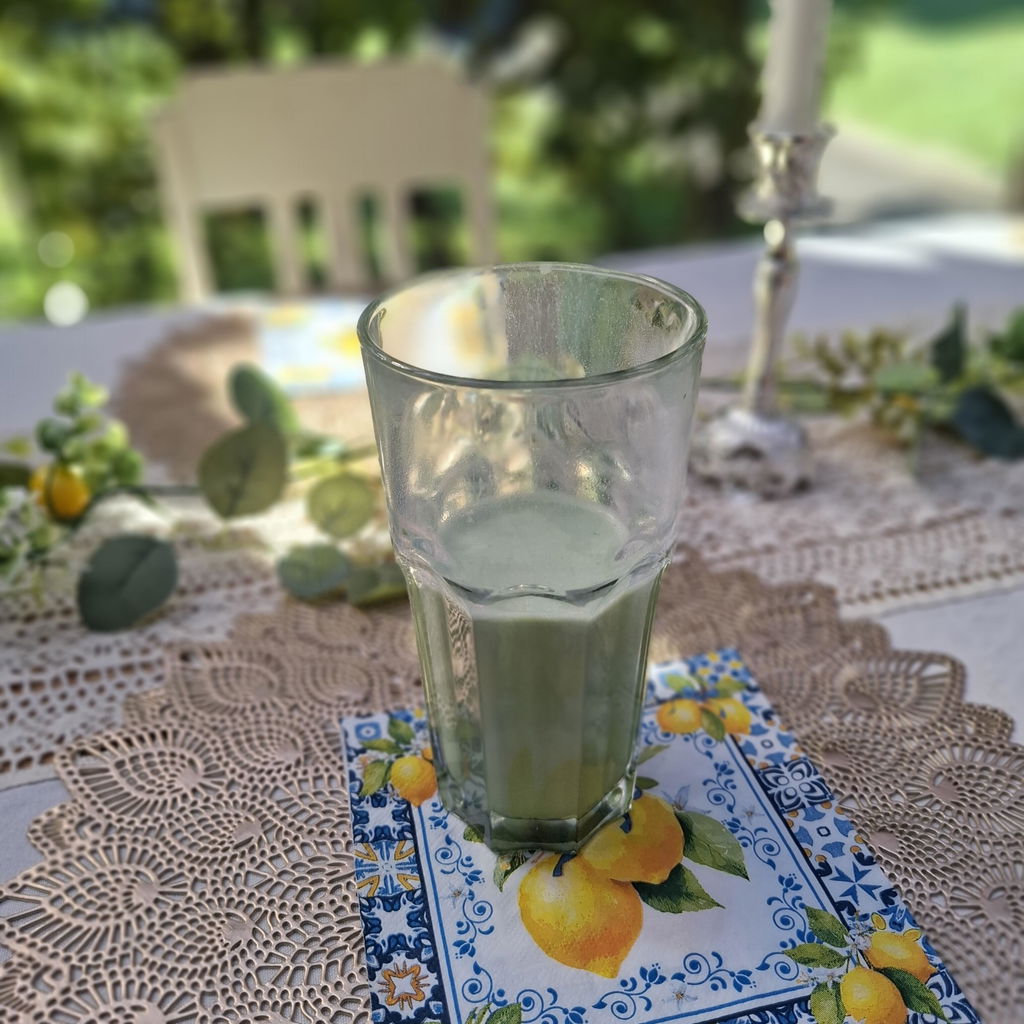
Es ist wirklich sehr lecker, und schon nach den ersten fünf Tagen merkt man die positiven Effekte.
Für mich ist es von allen, die ich bisher probiert habe, definitiv das beste! Und Vanille ist meine Lieblings Geschmack. 😊
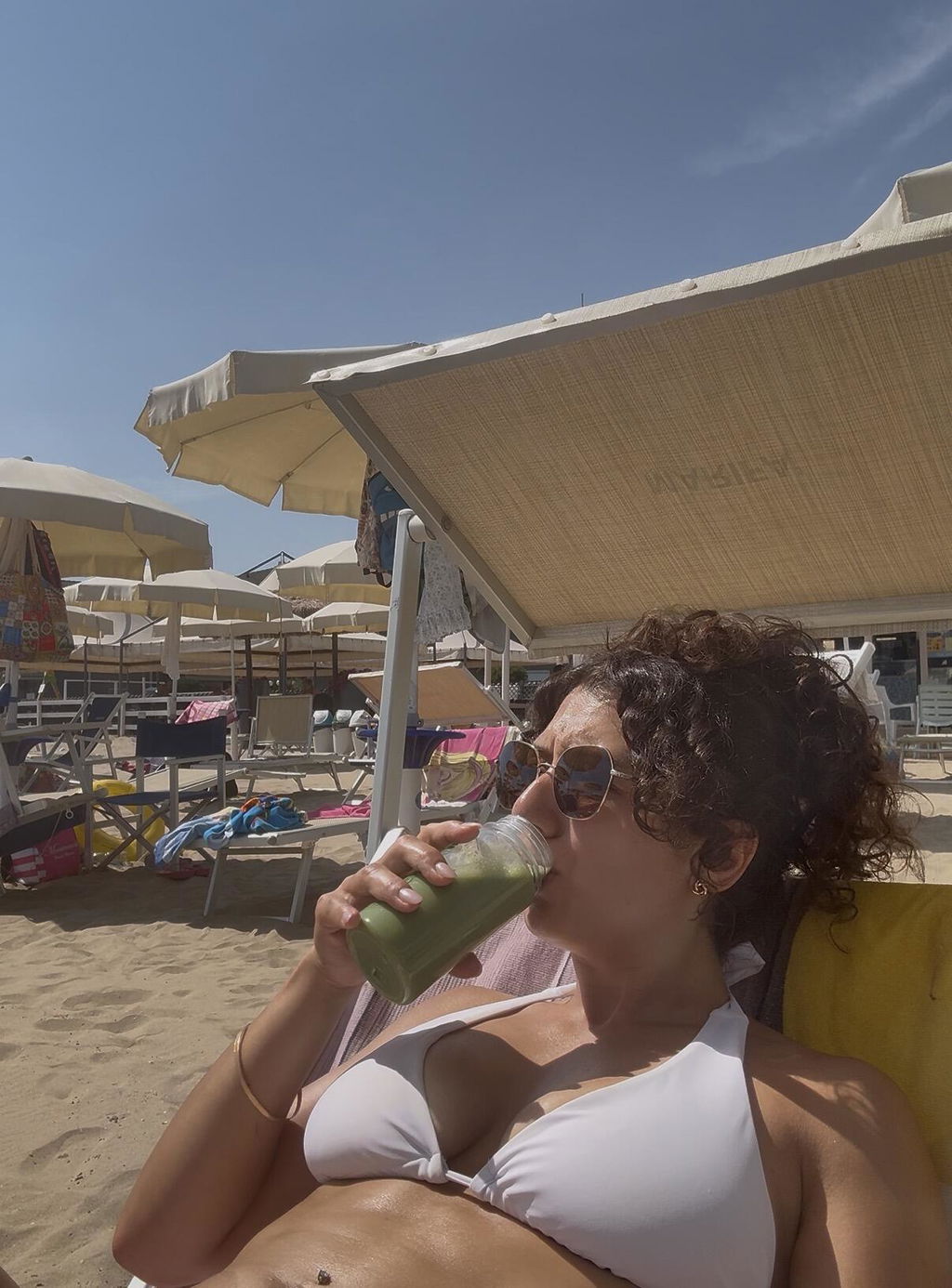
Schmeckt gut aber der Vanille Geschmack könnte stärker sein
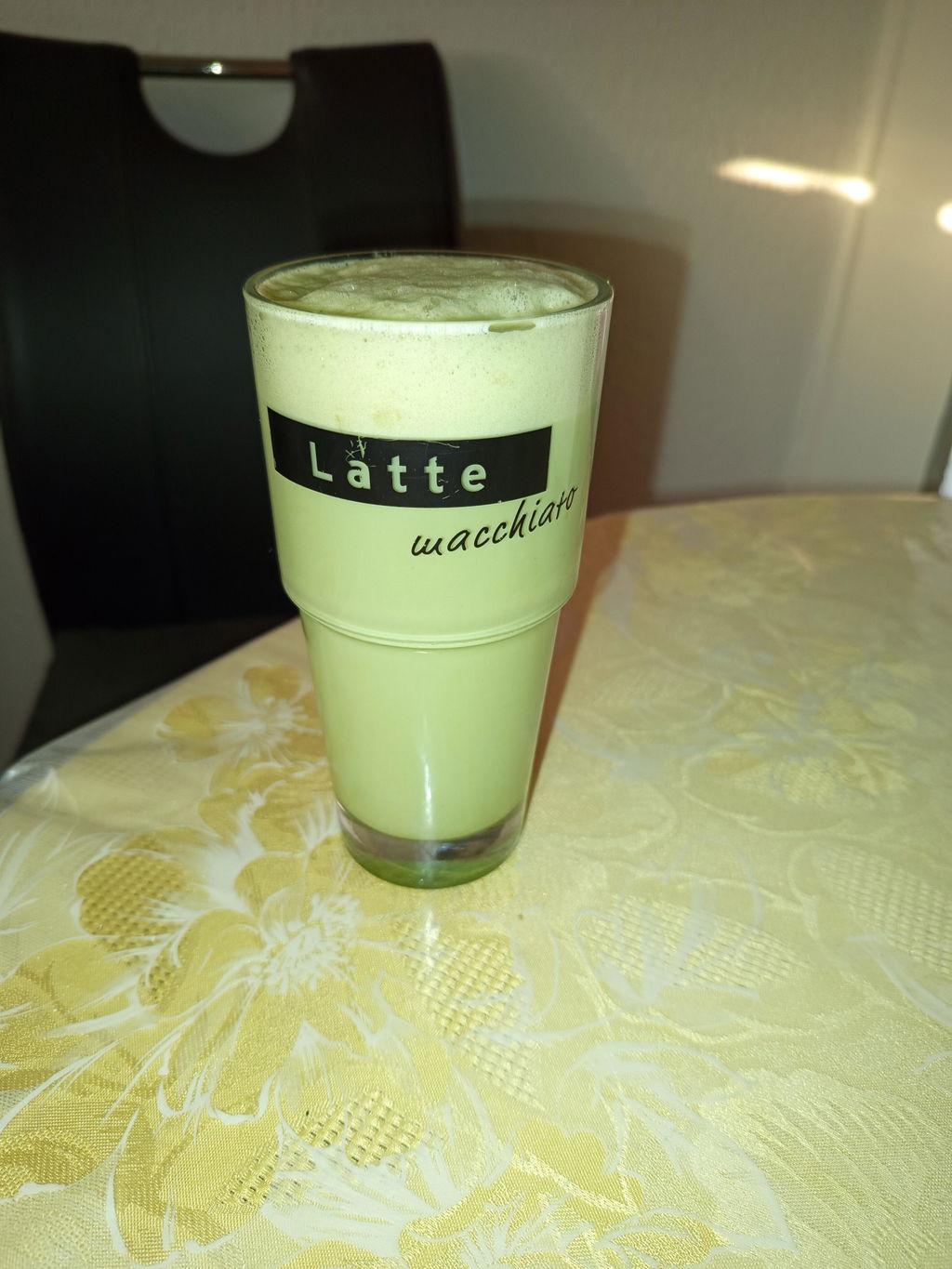
Ich hab einige Matcha probiert, aber die sind einfach die besten.
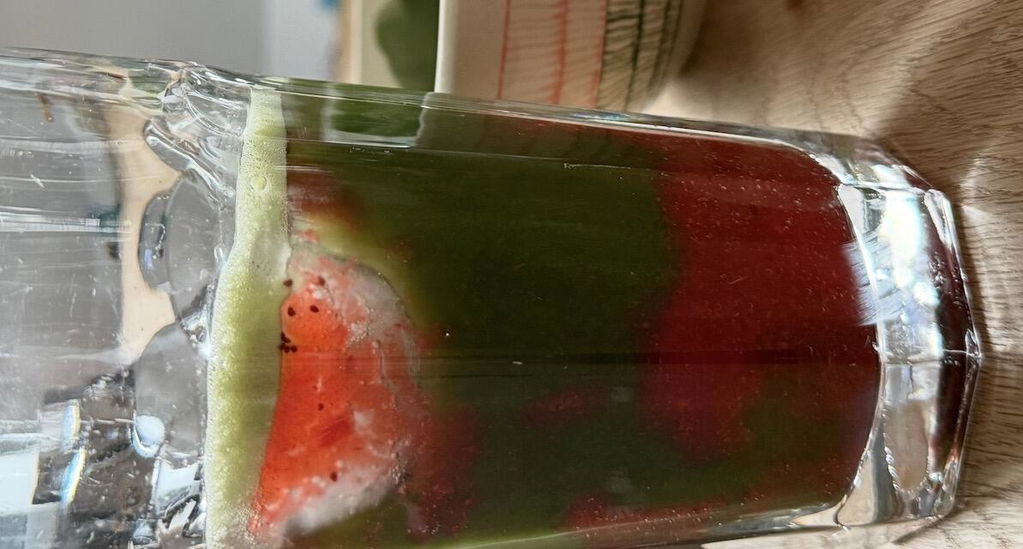
lecker
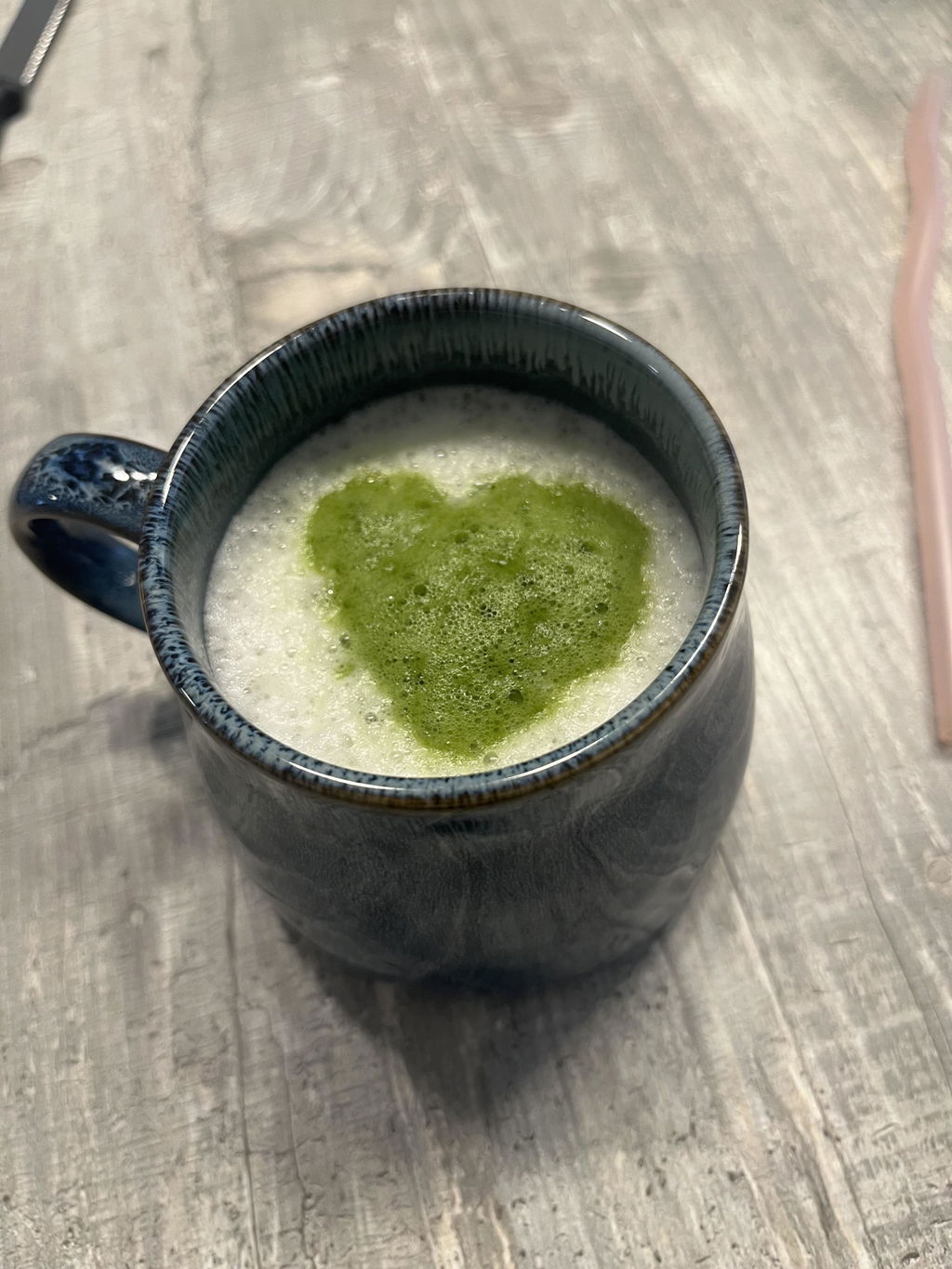
Der Beste Matcha den es gibt! Super Qualität und Service. Kommt immer super schnell zuhause an.
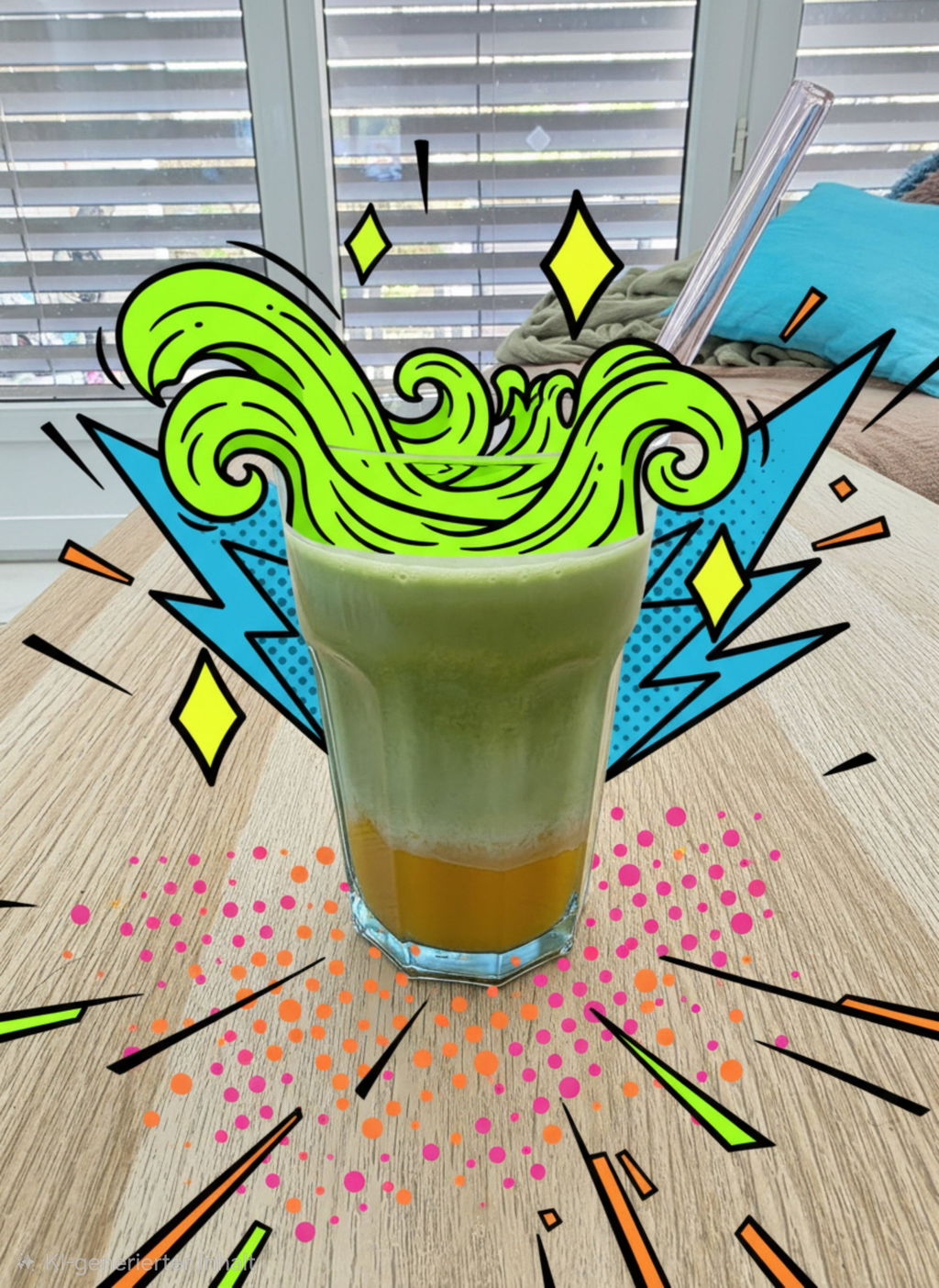
perfekt🎉🎉🎉🎉🎉
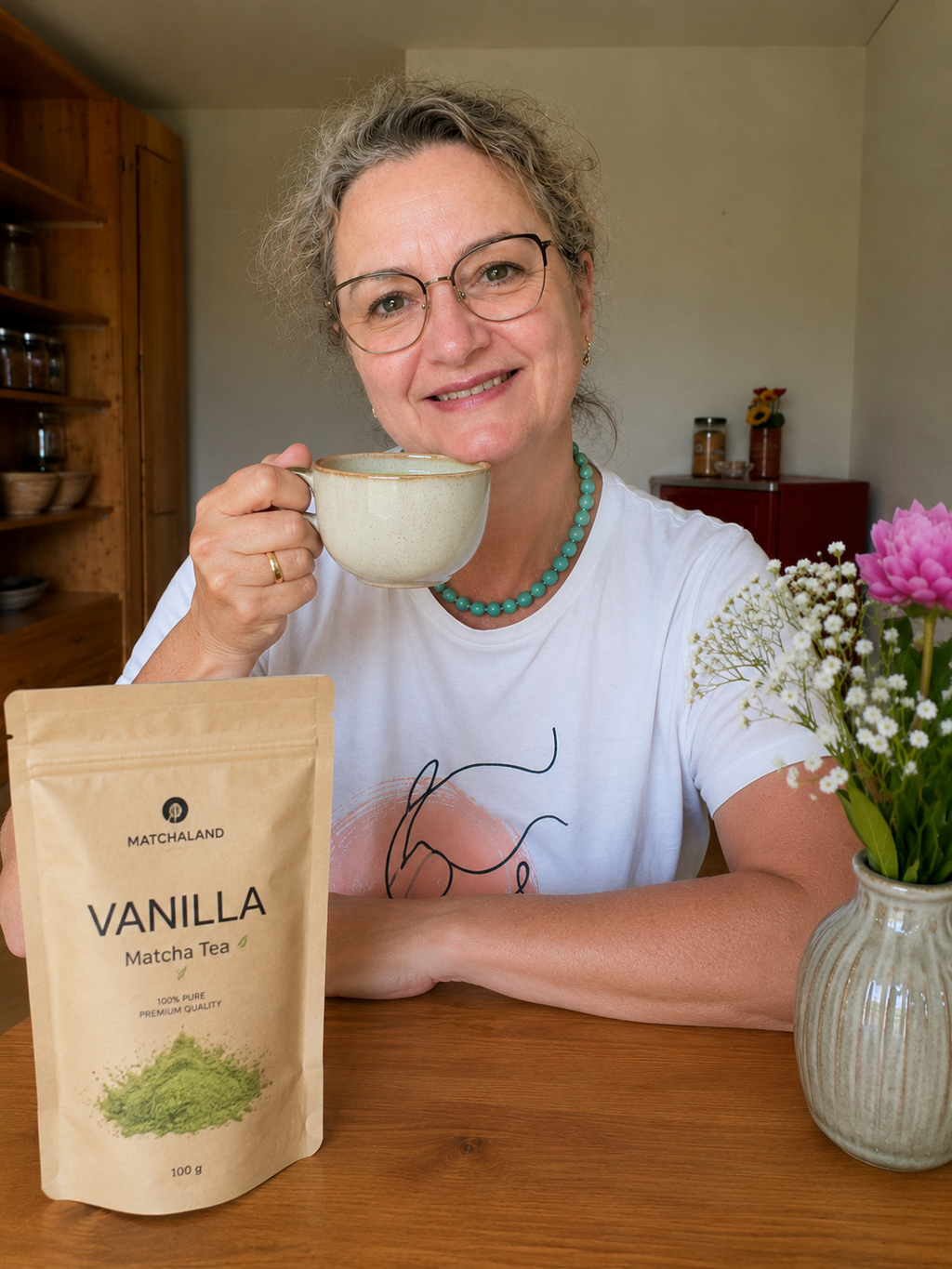
Grossartig
Es hat mir gut geschmeckt! Ich glaube aber das mir ein anderer Geschmack besser gefallen würde. Aber sehr lecker!!

and I am the founder of MatchaLand.
Coffee ☕ always made me nervous and the energy only lasted a few hours before the caffeine crash hit. 😰 I found it hard to focus. My stomach felt acidic and I couldn't fall asleep well at night.
In Japan 🇯🇵 I discovered matcha and was immediately impressed by the calm, long-lasting energy. When I then learned how high its antioxidant content is, I was completely convinced.
That is why I founded MatchaLand: to bring healthy, effective energy 💪 to Germany.
So do yourself & your body a favor and switch to better, healthier energy with me.
Sebastyan 💚


